.png?ixlib=gatsbyFP&auto=compress%2Cformat&fit=max&rect=68%2C0%2C663%2C500&w=252&h=190)


Best Retinol Serum: A Guide to Choosing One That Actually Works
Retinol has been a staple in dermatology since the 1970s. More than fifty years on, it's still the most talked-about active ingredient in skincare. That staying power says something. Trends fade fast yet retinol just keeps delivering.
For an ingredient this well-researched, the online “advice” can be overwhelming. So here is our practical, Skin Expert guide to finding the best retinol serum for your skin and your routine, under our Australian conditions.
What retinol actually does for your skin
Retinol is a derivative of vitamin A, part of a broader family called retinoids. The capabilities are unparalleled when it comes to retinol, in terms of brightening and refining the complexion whilst building skin density.
Optimal skin cell turnover is vital for healthy, youthful-looking skin. Your skin naturally renews itself when the old surface cells shed and fresh ones come through. When you're young, this natural process moves quickly but as you age it slows, and that slowdown shows up as dullness, rough texture, congested pores, and fine lines.
Retinol beautifully supports this renewal process. With consistent weeks and months of use, many report visible improvements in texture and tone with a nice collagen boost behind its anti-ageing reputation.
Retinol vs retinoid
Retinoid is the family or category; retinol is one member. Think of it like coffee: retinoids are coffee, retinol is a latte. Always effective, widely available and suits most people. Prescription tretinoin is a triple shot straight to the face. Same category, yet a very different experience.
In Australia, prescription retinoids like tretinoin are only legally accessible through a licensed medical professional under TGA regulations. Over-the-counter retinol is formulated for unsupervised cosmetic use, so for most people starting out, that is more than adequate.
Why retinol "strength" isn't just a percentage
Clinically recommended retinoids render results over time. First, they convert into retinoic acid which is the active form of vitamin A, after a series of steps. The number of steps determines how fast and how potent they are on the skin.
- Retinaldehyde (retinal) needs one conversion step. It is fast-acting for quicker, more visible results.
- Retinol needs two steps. This is more stable, more gentle and makes a great all-rounder.
- Retinyl palmitate needs three steps. This is the weakest and most gentle as an ideal soft entry point.
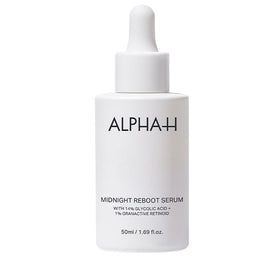
There's also hydroxypinacolone retinoate (or more commonly known as granactive retinoid), a next-generation retinoid needing no conversion at all. It is very stable. And then there is the pore-unclogging and soothing acne treatment using adapalene, available without a prescription as a 0.1% gel.
How to choose the best retinol serum Australia has to offer
Reading pharmacy or skin clinic retinol product labels can create confusion. Here’s what you really need to know when choosing the best retinol for your skin.
- Concentration
As a first time user, look for a concentration up to 0.1%. This sounds low if you've read forums where everyone's using stronger 0.5% or 1% formulations, but those people built up tolerance over months or even years. Starting off too high is the most common reason people are convinced retinol doesn’t work for their skin and quit within the first month. This is simply asking too much, too soon.
- Formulation
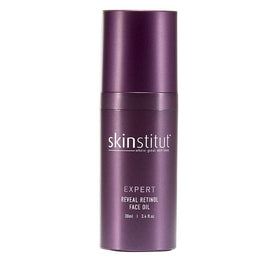
The best serum isn't the one with the highest percentage, it's the one formulated to be active yet minimises irritation. Retinol paired with peptides, ceramides, hyaluronic acid, niacinamide or squalane support your skin barrier. Slow release or microencapsulated retinol is enveloped in lipids to ensure delivery is slow to uphold skin comfort and tolerance.
- Packaging
Retinol is naturally an unstable active ingredient. Exposure to light and air break it down rapidly. Select opaque tubes and airless pumps. All very boring on the packaging front, but better results and a product that maintains efficacy. Be sure to purchase from reputable skin clinics like Activeskin, choosing verified brands approved by the TGA with consumer safety regulations.
Best retinol products recommended by Dermatologists
Skin Therapist and Dermatologists align in their guidance: start low, go slow, protect the barrier.
With a plethora of retinol based creams, serums and gels on the market, a few products consistently earn praise:
- Medik8 Crystal Retinal 3: an encapsulated retinaldehyde serum in six strengths, so you can dial potency up as your skin adapts. Testers loved how silky and non-irritating it felt.
- Murad Retinal ReSculpt Overnight Treatment: a favourite of those with mature skin for slow release overnight action that compounds to soften lines & wrinkles.
- SkinCeuticals Retinol 0.3: a stable, beginner-friendly serum to refine pores, diminish skin discolourations and curb breakouts with soothing bisabolol in formulation.
All prime examples of formulations being the winner for stability, efficacy and skin tolerance.
Best retinol serum for beginners
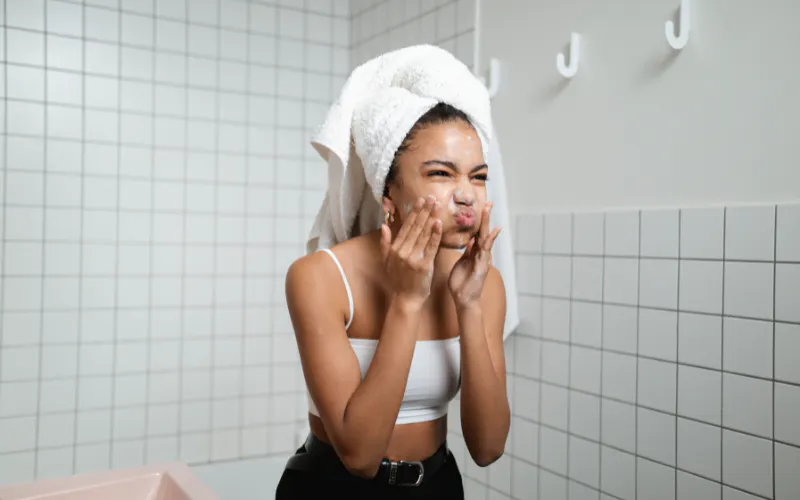
Straight from the Activeskin Skin Experts, you’ll hear the same guidance; start slow and build tolerance as it is a long game. Start with a low concentration applied only every second or third evening, working up to nightly only as your skin tolerance builds. A pea-sized amount to cover the entire face should be plenty. It goes further than you'd think. Be sure to avoid the lips and delicate eyelids.
Never be alarmed if your skin experiences mild dryness, slight redness or light flaking in the first few weeks. This is considered very normal and usually settles. Commit to retinol use for four to six months with consistent use before deciding whether you need something stronger. Real improvement shows to those who accept that timeline early.
Best retinol serum for sensitive skin
Plenty of people with reactive skin fear retinol and simply won’t try it. The good news is that sensitive skin can tolerate retinol, it just needs a different pace.
Frequency before concentration
Commence application once a week then wait seven days, allowing your skin to respond. If after three or four weeks of this frequency there's no significant reaction, step up to twice weekly. The rest of your skincare routine should stay boring while you adjust, so no AHAs, BHAs, strong vitamin C, and benzoyl peroxide for now. If unsure, a patch test first is always a great idea 24 to 48 hours prior to full application.
The retinol sandwich method
A quiet game-changer for reactive skin is to apply moisturiser first, retinol on top, then moisturiser again. This clever buffering softens delivery and enhances retinol tolerance. If you hit persistent redness, peeling that won't settle, or ongoing discomfort, stop and speak to a Skin Therapist or Dermatologist.
Building your nighttime routine around retinol
Retinol is perfect for your nighttime skin regimen as it degrades in sunlight and increases your skin’s photosensitivity. Morning use works against you on both counts.
A simple, effective retinol application
- Cleanse with a gentle and fragrance-free cleanser.
- Wait a few minutes for the skin to dry. Applying to damp skin amplifies absorption and tips into irritation.
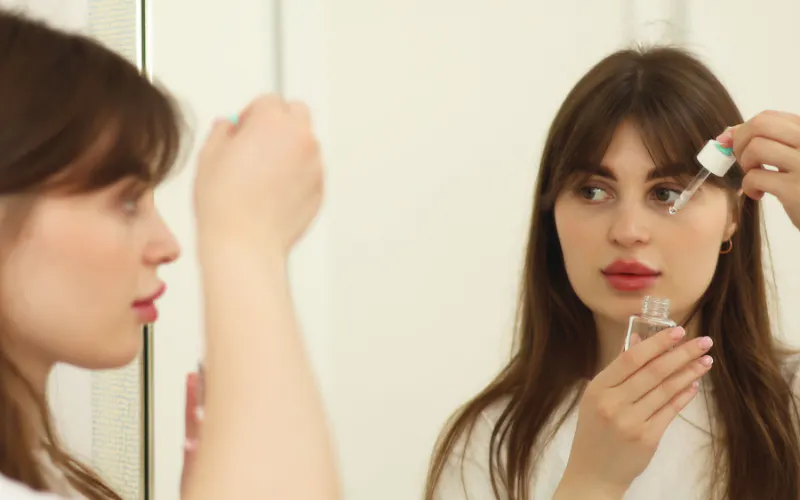
- Apply a pea-sized amount of retinol, avoiding the eye area, corners of the nose, and lips.
- Moisturise straight away with a skin hydrator rich in ceramides, peptides, or squalane.
In the morning, applying a sunscreen no less than SPF 30 is non-negotiable. SPF 50+ is the Australian standard for good reason, designed for use every day, even in winter, even indoors and even when overcast. Skin protection is your ultimate anti-ageing hack.
When you should avoid retinol use
- Pregnancy and breastfeeding is a time to stop using retinol as it isn't considered safe. Instead, ask your GP for approval to use bakuchiol, a gentler plant-derived alternative as it is widely regarded as safer.
- Prescription vitamin A (like isotretinoin) means you don’t want to overload the skin with additional vitamin A products.
- Waxing, microdermabrasion, laser or microblading means you’ll need to stop using retinol for at least a week prior. Confirm timing with your technician for when you can recommence usage after.
In all cases, speak with your GP or Dermatologist for guidance.
Our verdict on the best retinol
The best retinol serum isn't the pretty bottle or the strongest concentration you can find. It's the one you actually use consistently, correctly and at the right pace. Start with a low strength, apply once or twice a week at night and be sure to wear SPF every morning. If your skin leans into the sensitive side, reduce frequency and apply the sandwich method of retinol between layers of soothing moisturiser.
Achieving meaningful and visible results is possible with a commitment to the long game. Your skin will thank you, today and tomorrow.
This article is for general educational purposes and isn't medical advice. If anything here raises questions about your specific skin, a Dermatologist or GP is the right person to answer them.