


.png?ixlib=gatsbyFP&auto=compress%2Cformat&fit=max&rect=68%2C0%2C663%2C500&w=252&h=190)


Qure LED Therapy Guide
Collagen is the most abundant protein in the body and plays a key role in maintaining skin firmness and structure. Type I collagen makes up around 90 per cent of the body’s collagen, with natural production gradually declining as we age. Supporting this decline is a key focus of many anti-ageing skincare products and treatments. QURE takes a different approach, using targeted light therapy, and not just red light.
Who is Qure?
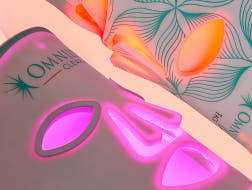
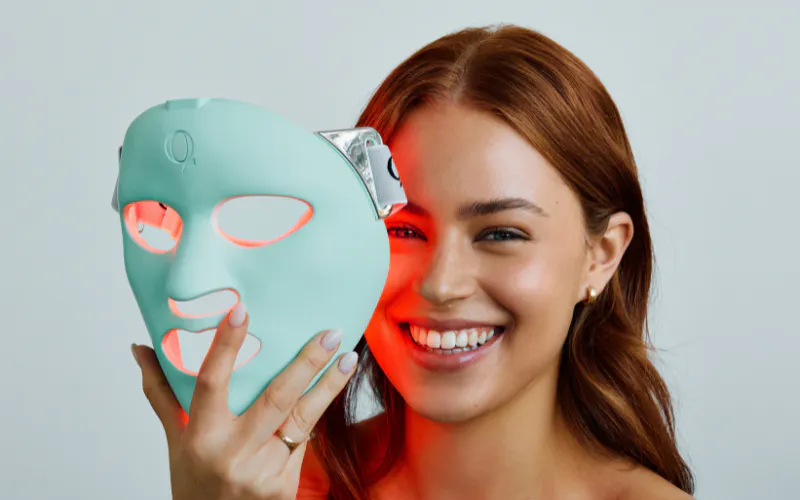
QURE Skincare has built its reputation on LED light therapy, with wearable devices designed to bring professional-inspired photobiomodulation into a convenient at-home routine. The Q-Rejuvalight Pro LED Mask is used by aestheticians and dermatologists internationally, helping position the brand as a more advanced option within the growing at-home LED category.
The brand uses medical-grade LEDs integrated into flexible facewear designed to sit close to the skin. This proximity is important, as the distance between the LEDs and the skin can influence how effectively light energy is delivered during treatment.
Why We Love QURE
The Science of Photobiomodulation
Red and near-infrared light work below the skin’s surface, where they can support the mitochondria in your cells and the production of ATP, essentially the energy your cells need to function and repair. This is especially relevant when it comes to collagen, as fibroblasts, the cells responsible for producing it, need plenty of energy to do their job. Red light may also help support circulation and reduce oxidative stress in the skin.
Why Every Light Colour Earns Its Place
Not all LED light works in the same way. Different wavelengths reach different depths of the skin, which means each colour has its own role.
- Blue light works closer to the skin’s surface and targets bacteria associated with breakouts, making it a good option for congestion and excess oil.
- Red light travels deeper into the skin, where it can support collagen production and help with concerns like fine lines, firmness and overall tone.
- Near-infrared light reaches deeper again. You can’t actually see this wavelength, but it’s commonly used to support recovery and calm inflammation.
- Amber light works more gently near the surface and can be helpful for redness, sensitivity and uneven-looking tone.
The real benefit of having multiple wavelengths is being able to change your treatment depending on what your skin needs. You might be dealing with more congestion through summer, then dryness and dullness once winter rolls around. Rather than needing a different device for every concern, you can simply switch your setting.
What the Research Shows
A randomised controlled study published in 2013 followed 136 people aged 27 to 79 who received treatments twice a week for 15 weeks. Those treated with red light showed measurable improvements in collagen density and the appearance of fine lines, while the control group didn’t show the same changes.
Another 2017 study involving 30 women aged 30 to 55 also found improvements in wrinkles and skin moisture, adding to the growing research around LED therapy for skin rejuvenation.
Best-Selling Products Worth Trying
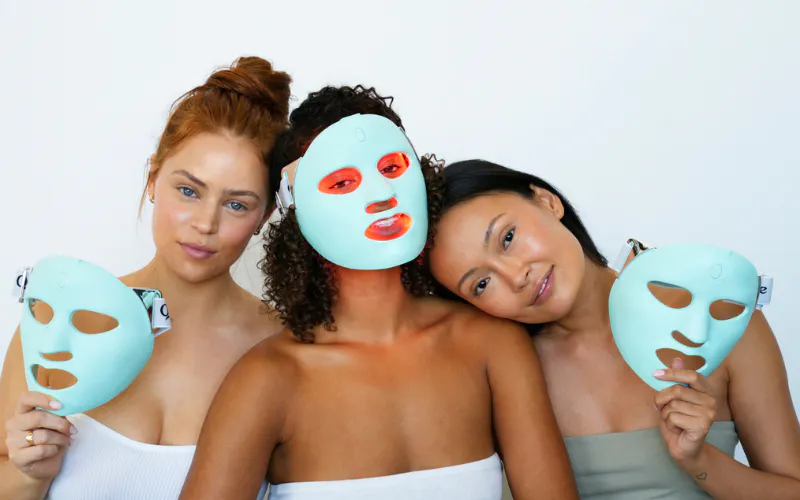
QURE Q-Rejuvalight Pro LED Mask
A multi-wavelength LED mask designed to treat the whole face in one easy session. It’s a great option if your skin concerns tend to change, whether you’re focusing on fine lines and firmness one week or breakouts and congestion the next. It’s also designed with comfort in mind, which is important because the best LED device is ultimately the one you’ll actually use consistently.
QURE Neck & Décolletage LED System
The neck and chest are often overlooked, despite being just as exposed to the sun and other environmental factors as the face. The skin here is also naturally thinner, so signs of ageing can become noticeable sooner. This system extends QURE’s LED technology beyond the face, making it a natural addition for anyone wanting a more complete LED routine.
Who Is QURE Best For?
Anyone noticing early loss of firmness, fine lines, congestion or uneven tone, particularly from the mid-thirties onward. If you are pregnant, taking photosensitising medication or managing a skin condition, check with your GP first.


